A model can win a benchmark and still be terrible inside your production system. Measure the full agent chain: accuracy, evidence, tools, concurrency, latency, cost, false actions, escalation, caching, and routing.
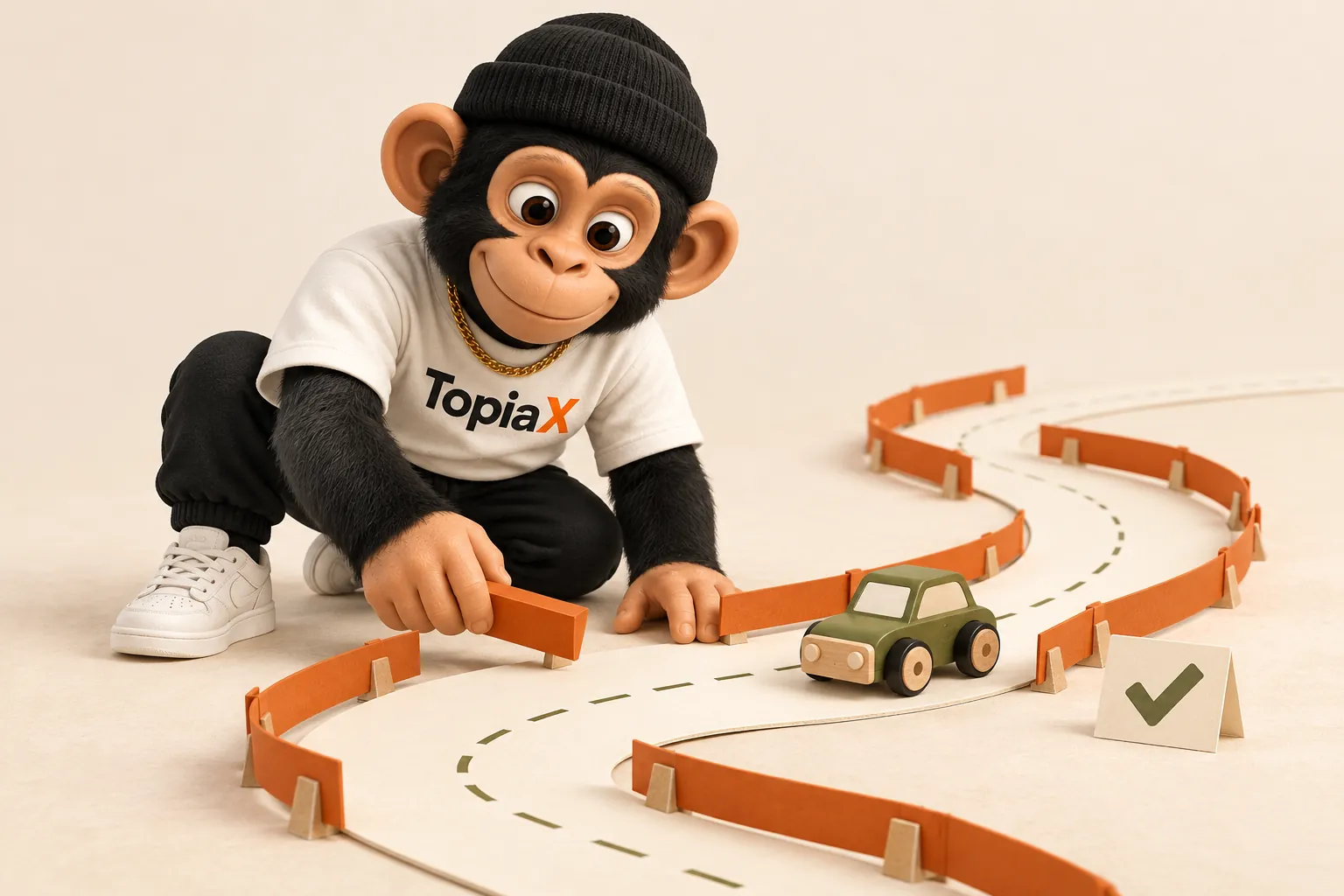
Full autonomy makes a great demo. Controlled autonomy makes a great product. Build agents that reason where ambiguity exists, follow bounded workflows, stop at hard limits, and earn more freedom through evidence.
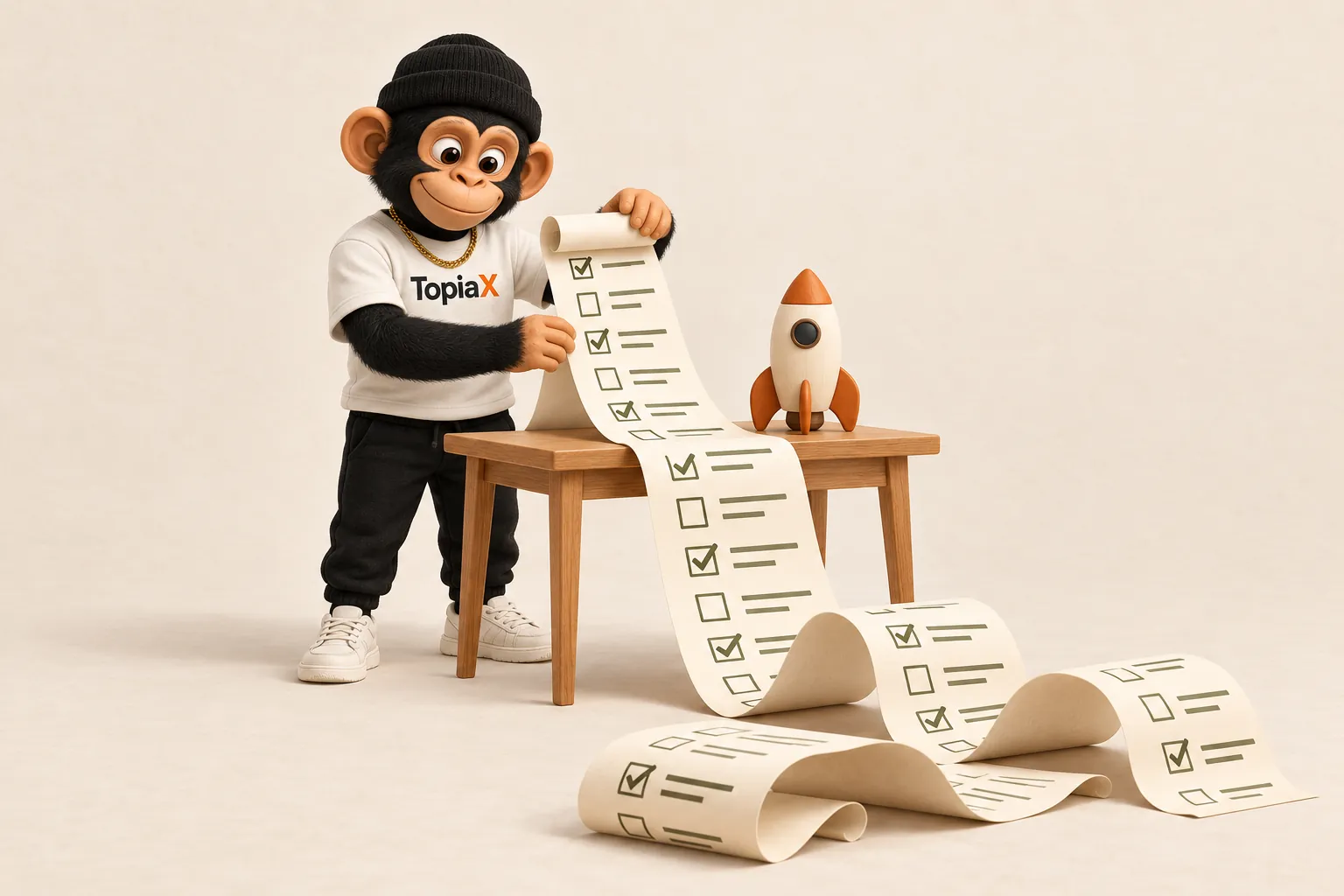
Built your app with Lovable, Cursor, Claude Code or Codex? Use this practical launch checklist to catch UI, Supabase, auth, permissions, SEO, mobile, performance and production failures before users do.
Prompt injection matters. The bigger production question is what a manipulated agent can actually do when tools, identities, data, and rollback paths are poorly bounded.
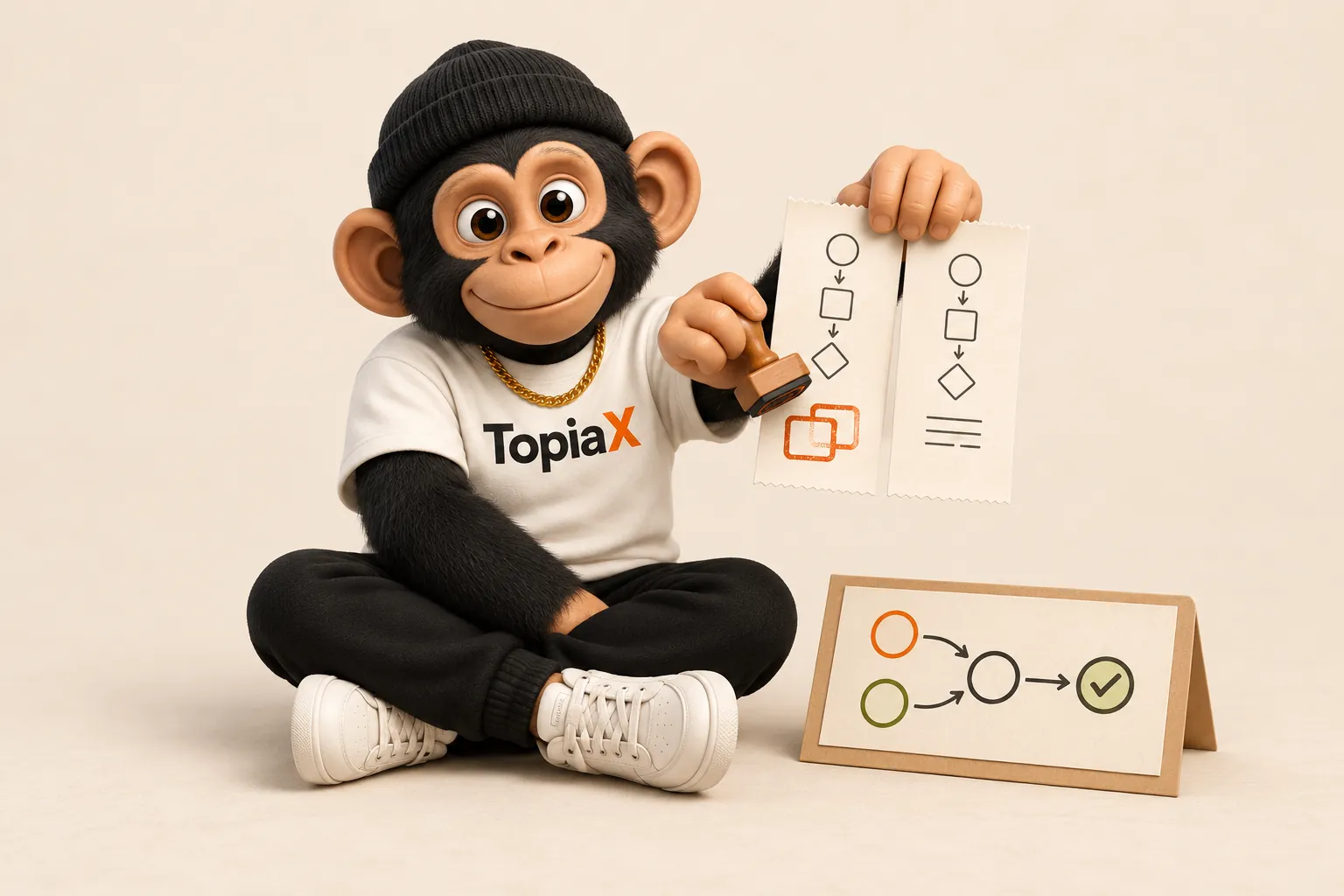
AI agents need deterministic controls around consequential writes: stable idempotency keys, explicit state machines, and reconciliation loops for ambiguous failures.
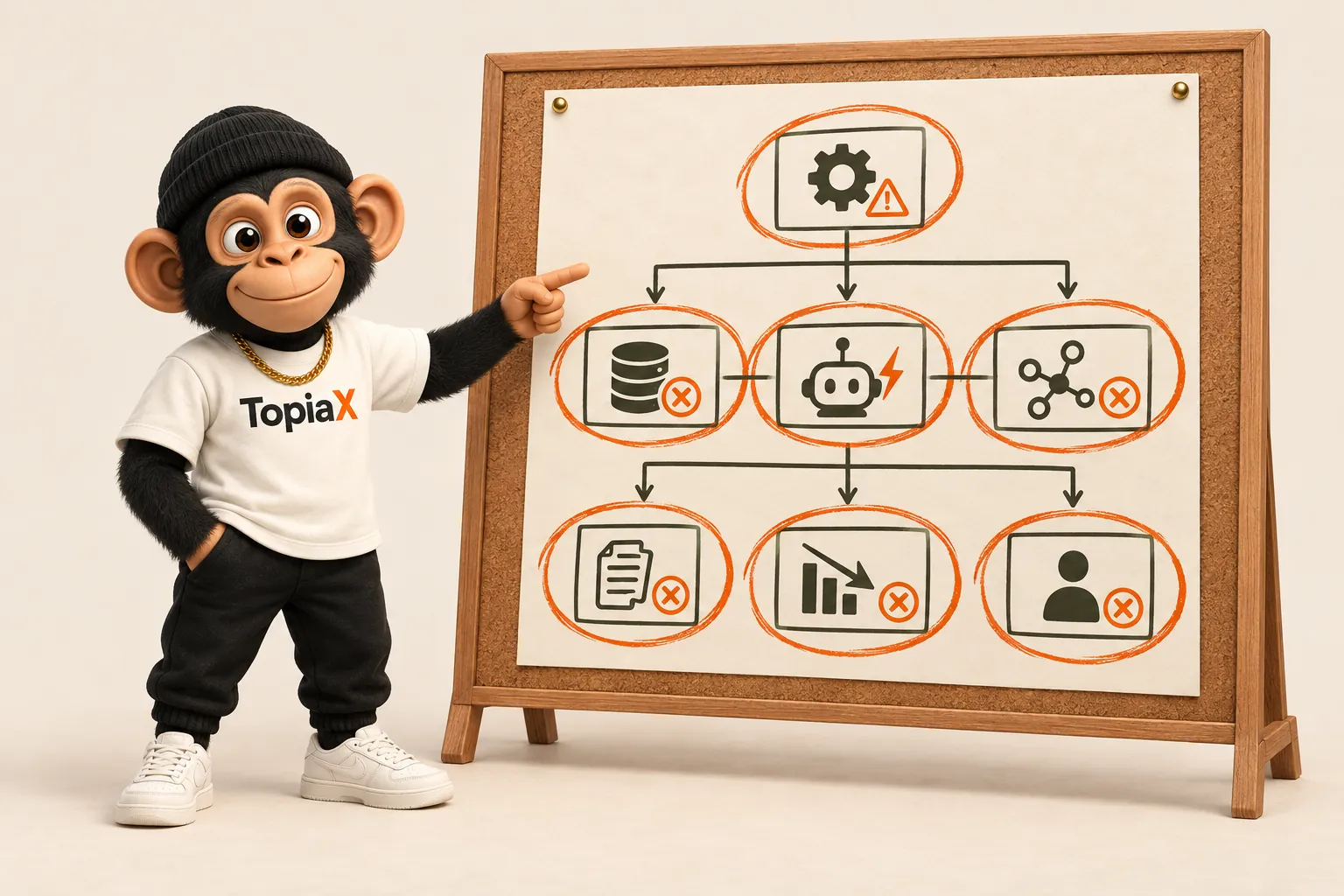
Demos prove the happy path. Production fails on retrieval, tools, state, silent wrong actions, and missing release gates. Here is the failure map and what to check first.
Traces tell you what happened in production. Evaluations tell you whether a change is safe to ship. Confusing the two leaves teams either blind or overconfident.
Production guardrails are not a content filter bolted on the side. They are permissions, validation, fallbacks, approvals, and stop conditions tied to the actions that can actually hurt.
A clear price and deliverable map for AI reliability work: what a fixed sprint should include, what it should not, and when freelance or in-house is the better buy.
Agent reliability engineering is the discipline of making AI workflows fail in known ways, with evidence, controls, and owners, not the art of demos that only work on stage.