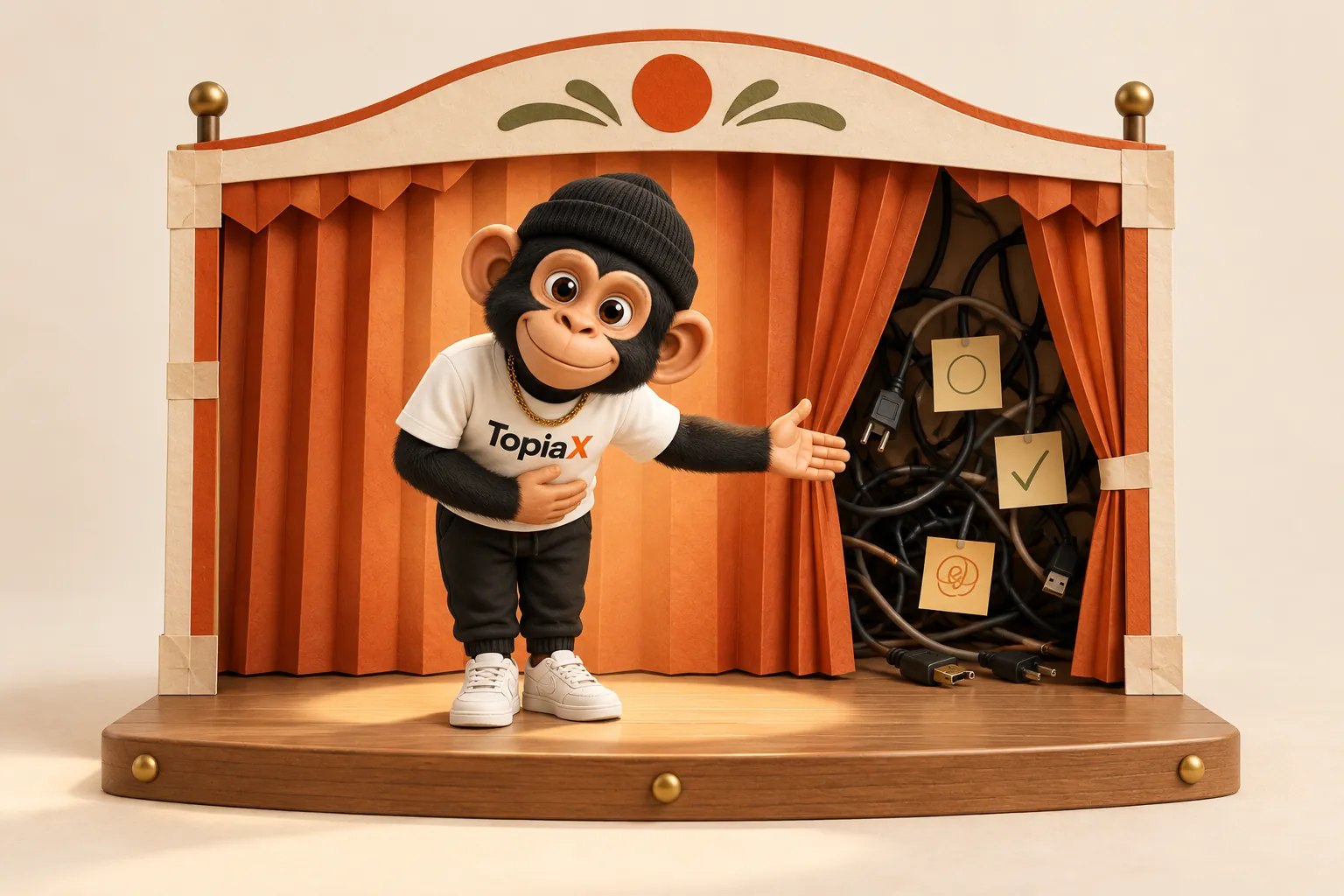
AI agents fail after demos because demos optimise for a single convincing path, while production exposes every missing control: retrieval quality, tool reliability, state, permissions, recovery, and evaluation. The demo is not lying - it is incomplete. Treat “it worked in the room” as a starting hypothesis, not release evidence.
What a demo actually proves
A successful demo usually proves:
- Someone can drive the system through a prepared scenario.
- The UI or chat surface responds fluently.
- At least one integration path returns something plausible.
It does not prove:
- The system chooses a safe path when retrieval is stale or empty.
- Tool failures are retried, surfaced, or handed to a human.
- High-impact actions require approval.
- Two similar users cannot cross-contaminate data or sessions.
- A prompt or model change will not regress last week’s cases.
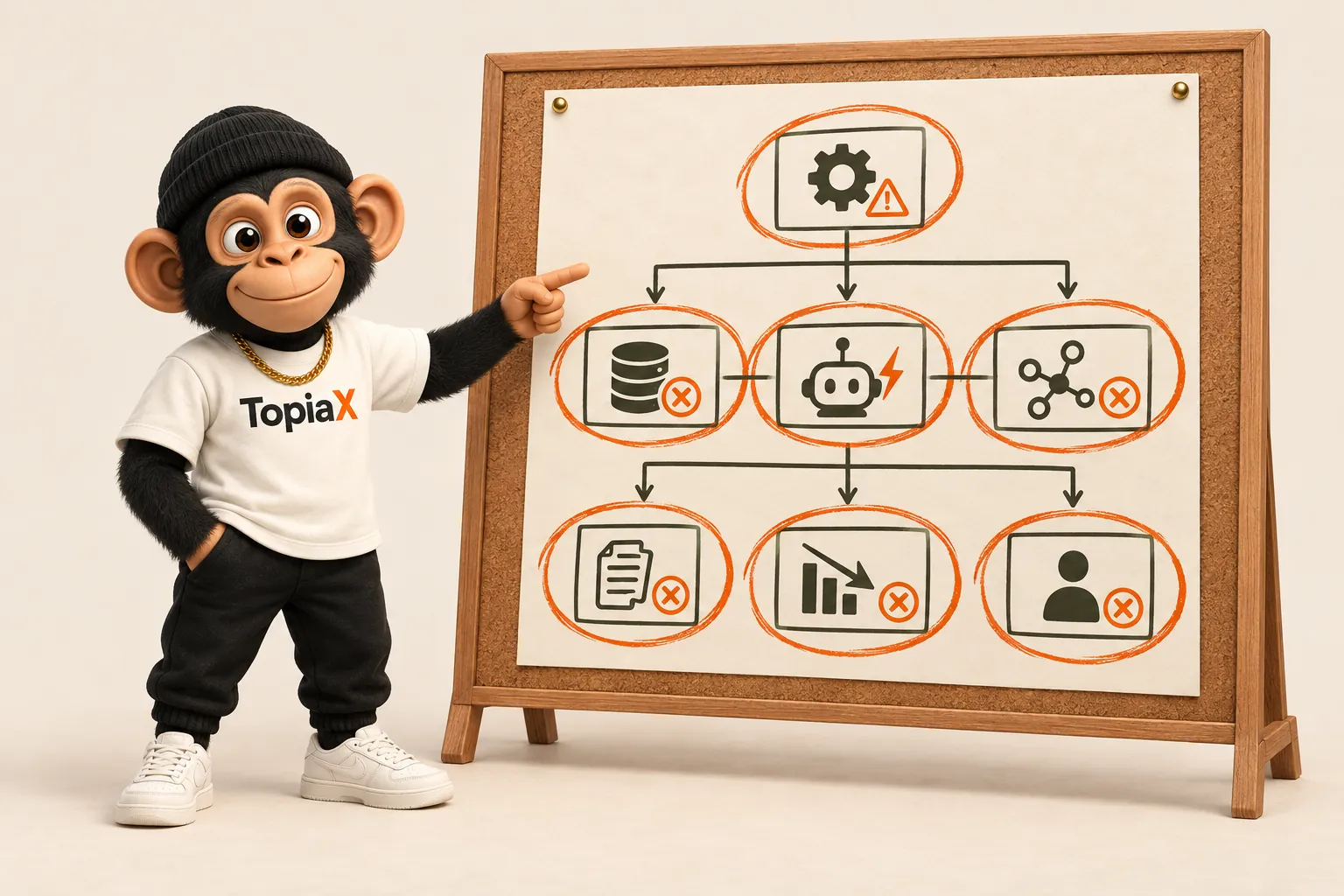
Failure paths that show up after launch
1. Retrieval failures (RAG)
The answer sounds right and cites nothing useful - or cites the wrong policy. Chunking, metadata filters, stale indexes, and “lost in the middle” effects all produce fluent nonsense under real document sets.
2. Tool and action failures
Infinite retries burn budget. Wrong tools run. Partial writes leave half-updated records. The agent “helps” by inventing a substitute action when the API fails.
3. State and memory failures
Mid-conversation constraints disappear. The agent forgets the customer, the ticket, or the approval already given. Multi-step work desynchronises across systems of record.
4. Silent wrong-path successes
The final answer or action looks correct, but the path was unsafe: hallucinated evidence instead of the approved API, or the wrong customer ID that still “worked.” This is the wrong-path-to-right-answer problem.
5. Permission and tenancy failures
Over-broad credentials turn a useful agent into a blast-radius problem. Multi-tenant data leaks are often configuration, not model “hallucination.”
6. Missing recovery and human handoff
When confidence is low or tools fail, the workflow stalls or invents certainty. Users cannot escalate; operators cannot replay the run.
Why teams still ship
Common reasons, all understandable and all expensive:
- Leadership saw a polished demo and scheduled a launch date.
- Evaluation only scored final text, not tool calls and retrieval.
- Happy-path test sets never included “must refuse” or “must escalate” cases.
- Observability logs tokens, not decision paths.
- Nobody owns the release gate, so “looks good” becomes the gate.
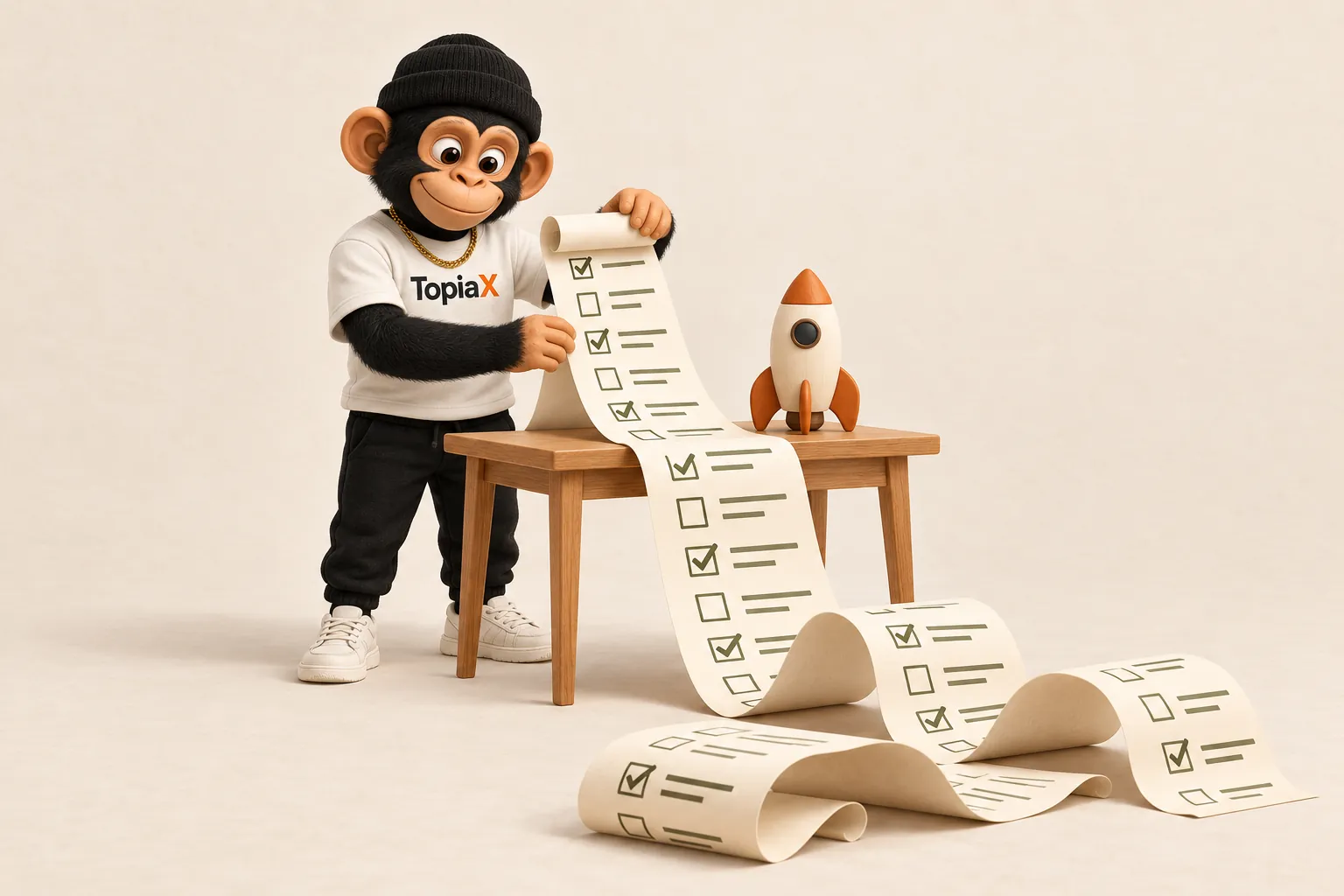
The minimum release checklist
Before a customer-facing or high-stakes internal launch, require written answers to:
- What is the workflow and who is the user?
- What are the top five failure modes by business cost?
- Which representative cases cover those modes (including escalation)?
- Which checks run before a prompt, model, or retrieval change ships?
- Which actions need human approval?
- Can an engineer replay one failed run end-to-end?
- What is the rollback or kill switch?
- Who is accountable after release?
If any answer is “we will see in production,” the demo is still the product.
How evaluation should change after the demo
Move from playground vibes to a small flywheel:
- Build 20–25 cases from real edge paths and production traces.
- Score path behaviour as well as final answers.
- Gate releases on those checks.
- Feed new failures back into the set.
Detail lives in How to evaluate AI agents and RAG systems before production breaks them. For control design, see Guardrail design for production agents.
What “done enough to launch” looks like
You do not need perfect accuracy. You need:
- Known limits written down.
- Proportionate controls on high-impact actions.
- Evidence that critical cases pass (or fail closed).
- A person who can stop the system.
That is a reliability decision, not a model beauty contest.
Practical next step
If the demo worked but leadership will not sign off - or users already found edge cases - take the free 5-minute profile or review the fixed-scope AI Reliability Sprint. For cost and scope expectations, read What AI reliability consulting should cost.